
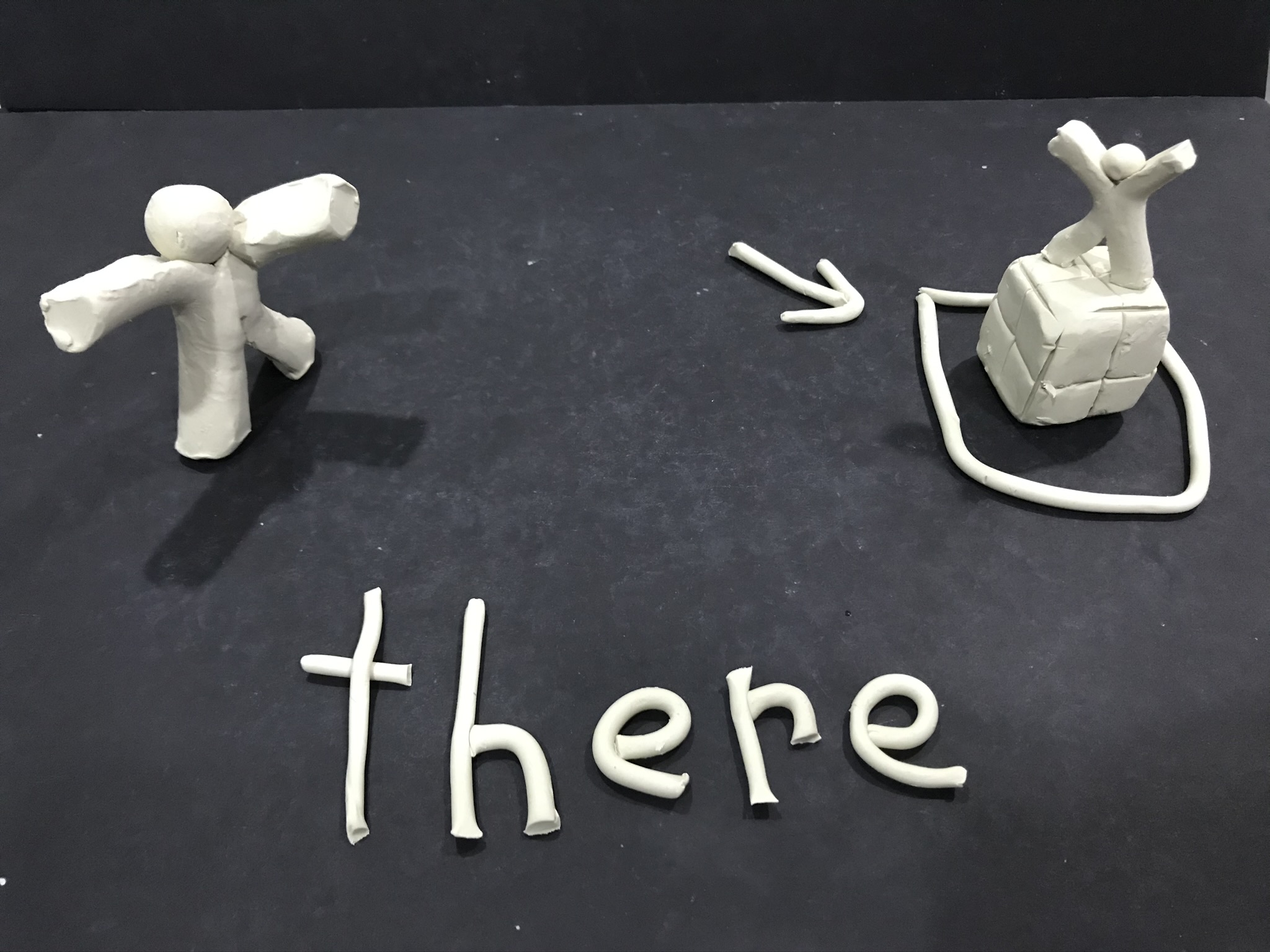
Jehovah Shammah – The LORD is there
All the way around shall be eighteen thousand cubits; and the name of the city from that day shall be: THE LORD IS THERE.”
THE LORD is THERE.
– Ezekiel 48:35
Jehovah Shammah — “The LORD is there” — is one of the least familiar names of God, yet it appears at the close of Ezekiel’s vision as the defining name of a restored city.
What does this name reveal about God’s nature and His promise to always be present with His people? Most believers are familiar with the more often repeated names of God such as “Jehovah Rapha”, “Jehovah Jireh”, “Jehovah Nissi” and The Lord of Hosts. (Blue Letter Bible has a good quick overview of the Names of God in the Old Testament for those who want to explore further).
This name surfaces at the end of one of the more fascinating books of Scripture. Ezekiel is filled with intriguing visions and remarkable prophecies — among them, an intricate description of a restored temple with dimensions that stretch the imagination. And yet after all of that, the entire book closes with five words: “The LORD is THERE.”
This reads like a precious declaration and end to the chapter, end to the book, that “The LORD is there”. After all the visions, all the measurements, all the prophecy, the final word is simply His presence.
What makes this even more striking is that in the original Hebrew, the word “is” is in italics, meaning in the original translation, the italicised word was not included. It was added by translators for readability. The text simply reads “The LORD there” as though presence itself needs no verb.
A word study reveals the depth behind this name of God – Jehovah Shammah. This only appears once in the bible and Blue Letter Bible explains the meaning and derivation as follows:
Jehovah is translated as “The Existing One” or “Lord.” The chief meaning of Jehovah is derived from the Hebrew word Havah meaning “to be” or “to exist.” It also suggests “to become” or specifically “to become known” – this denotes a God who reveals Himself unceasingly. Shammah is derived from the Hebrew word sham, which can be translated as “there.” Jehovah Shammah is a symbolic name for the earthly Jerusalem. The name indicates that God has not abandoned Jerusalem, leaving it in ruins, but that there will be a restoration.
In the Old Testament, in Ezekiel’s day, the phrase “The LORD is there” is a forward-looking promise. It might read like God is there, but not here. Today, post the death, burial and resurrection of Jesus, the presence of the Lord is not “there” but “here”, real and tangible through the Holy Spirit, the Promise of the Father given after the resurrection of Jesus (John 16:7). The word of God affirms this:
Or do you not know that your body is the temple of the Holy Spirit who is in you, whom you have from God, and you are not your own?
– 1 Corinthians 6:19
Jehovah Shammah is not merely an Old Testament promise looking forward to a restored Jerusalem. For the believer today, it is a present reality. The LORD is not there — He is here. In you. The temple is no longer a building with measurements and dimensions. It is every believer in whom the Holy Spirit dwells.
When this name is seen in that light, it becomes one of the most personal assurances in all of Scripture — a God who does not abandon, who restores, and whose presence is not distant but immediate, not symbolic but real. The believer is the righteousness of God in Christ (2 Corinthians 5:21), is accepted in the Beloved (Ephesians 1:6) and in Him, the believer lives and moves and have their being! (Acts 17:28).